Structural Health Monitoring Sonar
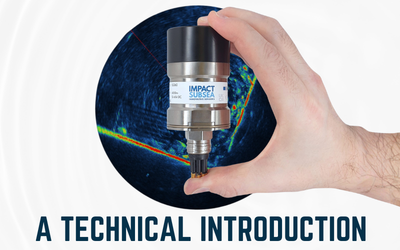
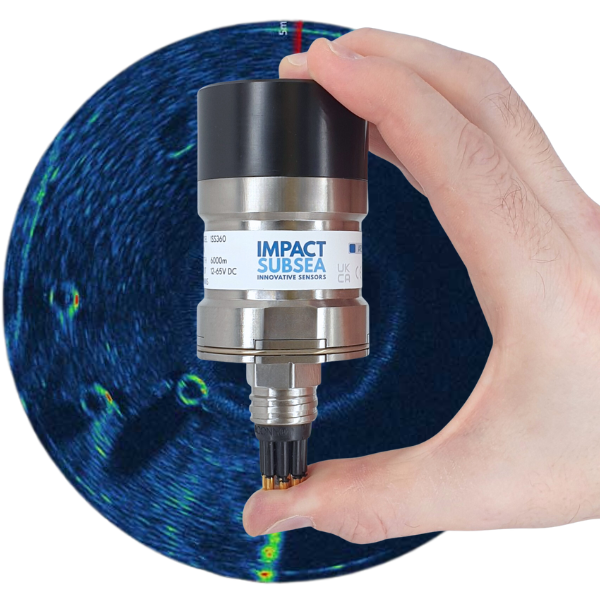
A University of Twente study using Impact Subsea’s ISS360 Imaging Sonar as a structural health monitoring sonar has won best paper at the SHMII-13 international conference on structural health monitoring.
The paper, “2D sonar techniques for monitoring the canal bed morphology of entrances to navigation locks“ by Mohsen Bastani and Rolands Kromanis of the University of Twente, selected the ISS360 from 12 commercial 2D sonars.
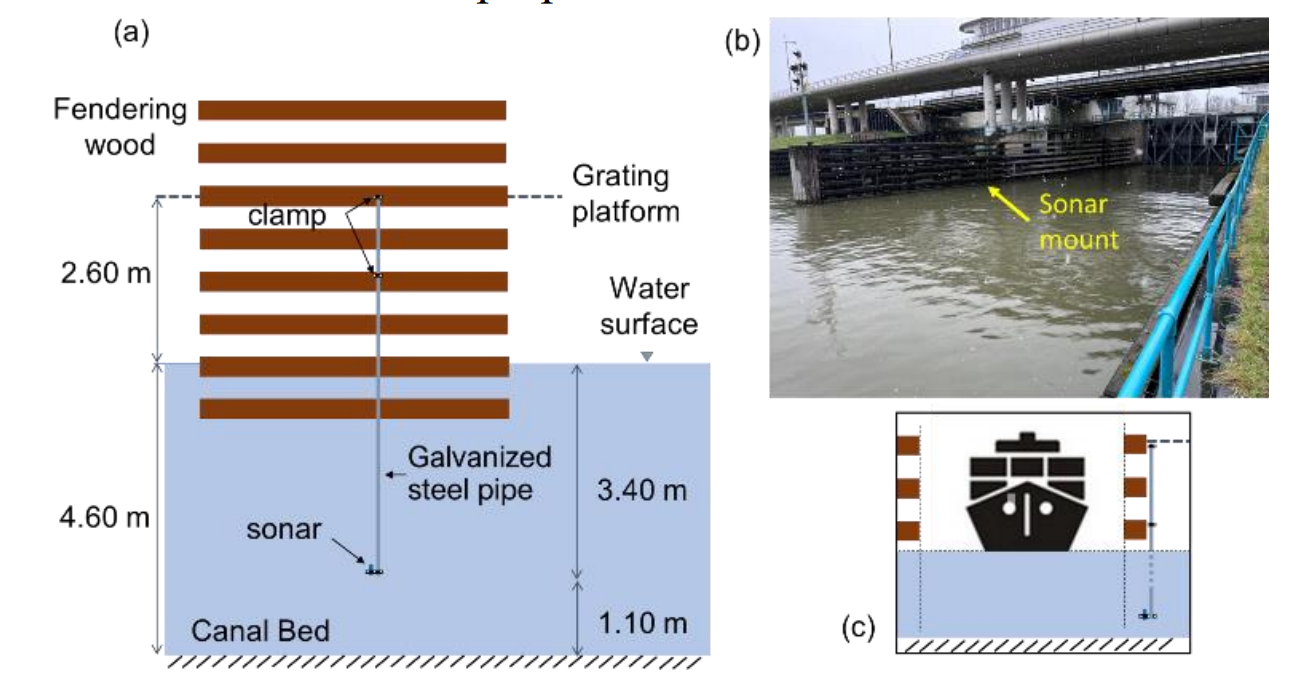
They mounted it at the Prinses Beatrix Lock in the Netherlands, where around 50,000 vessels a year wear away the bed protection with propeller wash and bow thrusters.
Scour and loose stones are a growing problem at locks built for smaller ships than today’s. Diver inspections and periodic surveys only capture moments in time, and they’re limited by poor visibility in turbid water.
How the ISS360 works as a structural health monitoring sonar
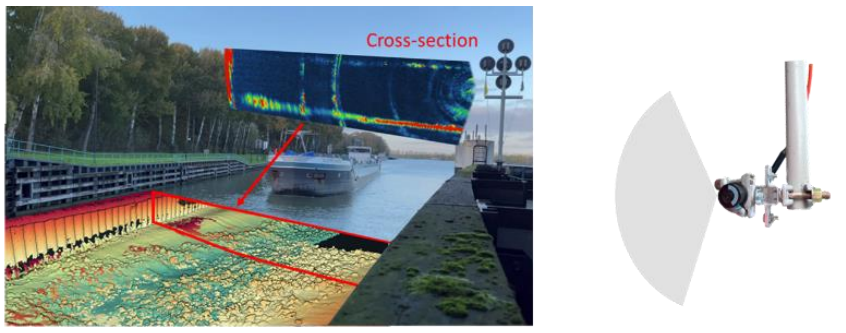
The sonar saved an image of the bed every minute, and the researchers compared each one region by region with later images. Over a week of scanning, the study showed that the sonar could:
- Detect changes in the bed protection as they happened, including a 0.5m² stone shifting within one minute of a ship passage
- Track loose stones on the lock chamber floor at up to 30m
- Indicate ship drafts and under-keel clearance with the sonar tilted 90°
The researchers conclude that continuous monitoring is essential for catching loose stones early, which visual inspection in turbid water can’t do.
“This project shows that a compact imaging sonar can do much more than navigation. It can be a permanent structural health monitoring sensor for critical infrastructure. Congratulations to the University of Twente team on a well-deserved award.”
Ben Grant, Managing Director, Impact Subsea.
Read the full technical guide: Scour Monitoring with Imaging Sonar in the Impact Subsea Academy.
Download the case study | Read the paper | Learn about the ISS360 Imaging Sonar
To talk about using the ISS360 for monitoring on your site, contact our team or email info@impactsubsea.co.uk.